

Everyday life involves dozens of small decisions, from where to shop and how much to buy to choosing specialist services and spending money on leisure. Individually, these decisions may seem minor, but together they can have a noticeable effect on convenience, household spending and wellbeing.
Making a sensible choice does not necessarily mean finding the cheapest option. Value can also come from buying the right quantity, choosing products that will genuinely be used and knowing when professional advice is more appropriate than relying on general information online.
Buying in Larger Quantities Can Be Practical
Bulk shopping can be useful for households, organisations and businesses that regularly use the same products. Larger packs may reduce the need for frequent shopping trips and can sometimes provide better value per unit.
People searching for batleys cash and carry may be looking for information about a cash-and-carry business or a particular location. Current opening hours, access requirements, available products and prices should always be checked directly before making a special journey.
Bulk buying works particularly well for items that are used consistently and can be stored safely. It is less useful when larger quantities lead to waste.
Compare the Unit Price, Not Just the Pack Price
A large package can look like a bargain simply because it contains more. Comparing the price per kilogram, litre or individual item gives a clearer picture of actual value.
Storage space also matters. Buying several months’ worth of an item makes little sense if it cannot be stored correctly or is likely to expire before it is used.
For food products, check dates and storage instructions before buying large quantities. For household products, consider whether there is a suitable, secure place to keep them, particularly when children or pets are present.
Specialist Shopping Requires a Different Approach
Not every purchase can be judged primarily by price. Some products are highly personal, and comfort, suitability and quality can matter more than finding the lowest possible cost.
A search for pulse and cocktails may lead someone to information about a specialist retailer. Before visiting any particular shop, it is sensible to confirm its current location, opening arrangements, product availability and purchasing options through up-to-date sources.
When buying personal products, privacy and clear product information can be particularly important. Shoppers should be able to understand what they are purchasing, how a product should be used or cared for and what the applicable returns policy is.
Online and In-Store Shopping Offer Different Benefits
Online shopping makes it easy to compare products and browse privately at a convenient time. A physical shop, on the other hand, may provide an opportunity to see products more closely or ask questions before purchasing.
Neither option is automatically better. The right choice depends on the type of product and how much confidence the buyer already has about what they need.
Before ordering online, check delivery charges, returns conditions and sizing or product specifications carefully. These details can make an apparently inexpensive purchase less attractive if returning an unsuitable item is difficult or costly.

Eyesight Deserves Professional Attention
Some purchases have a direct connection with health and should be approached differently from ordinary retail shopping. Eyewear is a good example. Frames may be chosen partly for appearance, but prescription lenses and eye examinations involve professional assessment.
People looking for leightons opticians may be searching for information about opticians or eye-care services. Current appointments, services, opening times and branch details should be confirmed directly with the provider.
Regular eye examinations can do more than determine whether a prescription has changed. An appropriately qualified eye-care professional can also assess aspects of eye health and advise when further investigation may be appropriate.
Do Not Ignore Sudden Changes in Vision
Minor changes in eyesight can develop gradually, but sudden visual disturbances deserve more attention. New loss of vision, severe eye pain, flashes or other significant and unexpected symptoms should not simply be addressed by purchasing different glasses.
Depending on the symptoms, prompt or urgent professional assessment may be necessary. Online information can help someone understand general eye-care topics, but it cannot replace an examination when concerning symptoms are present.
For everyday eyewear choices, comfort also matters. Frames should fit properly and lenses should be suitable for their intended purpose, whether that is everyday distance vision, reading or another professionally recommended use.
Think About Long-Term Value
The same basic principle applies across many types of shopping: consider how a product or service will actually be used rather than focusing only on its initial price.
Bulk purchases can save time when the products will genuinely be consumed. Specialist products require attention to suitability and returns conditions. Eye care places greater importance on professional assessment and individual needs.
Taking a few minutes to compare the right factors can therefore prevent unnecessary purchases and make everyday spending more purposeful.
Practical Choices Without Overcomplicating Life
Smart shopping does not require analysing every purchase in great detail. A simple approach is often enough: identify the actual need, compare relevant options and check important conditions before paying.
For products connected with health, safety or specialist requirements, professional advice may also be appropriate. For ordinary household shopping, thinking about quantity, storage and long-term usefulness can prevent waste.
By focusing on genuine needs rather than impulse or headline prices, everyday decisions become easier to manage while leaving more time and money for the activities that matter.
Leisure Choices That Add Value to Everyday Life
Shopping and practical services are only part of everyday decision-making. Leisure purchases can also benefit from the same thoughtful approach. A bicycle, family activity or holiday may involve considerably more money than an ordinary weekly purchase, so suitability and long-term value become especially important.
The cheapest option is not necessarily the most economical if it does not suit the intended use. Thinking first about how often something will be used, where it will be used and which features genuinely matter can make comparisons much easier.
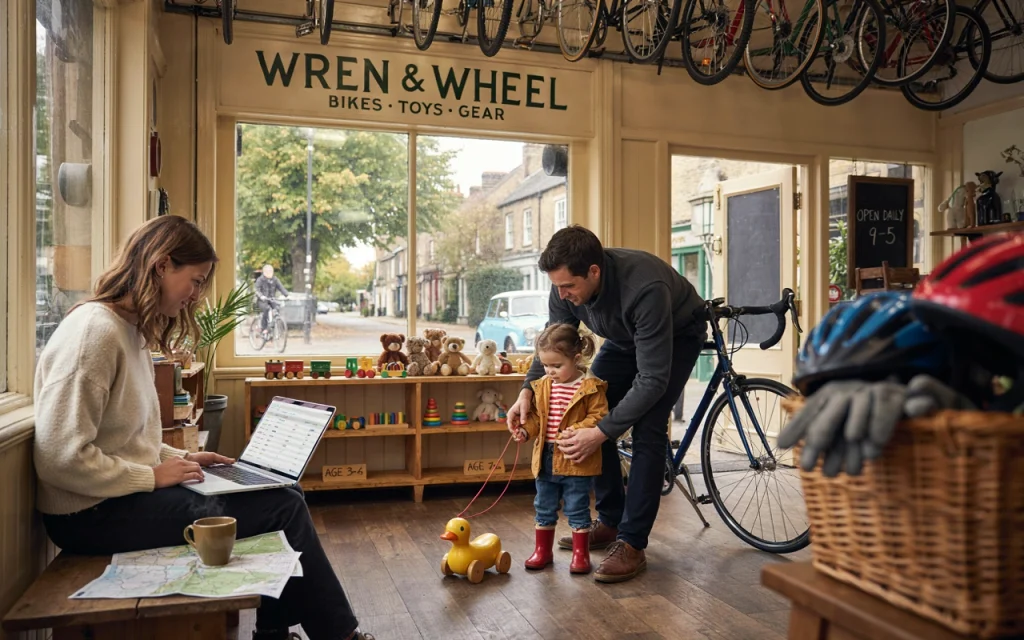
Choosing a Bicycle for the Way You Ride
Cycling can serve many purposes, from commuting and exercise to weekend recreation. The right bicycle therefore depends heavily on where and how someone intends to ride.
People researching the carrera vengeance may be considering a bicycle suitable for varied riding. Rather than relying on a model name alone, it is useful to examine factors such as frame size, riding position, brakes, gearing and the type of terrain for which the bicycle is designed.
A bike that feels suitable for short urban journeys may not provide the same experience on rougher routes or longer recreational rides.
Correct Fit Matters as Much as Features
A long specification list is of limited value if the bicycle does not fit the rider properly. Frame size and riding position can influence comfort and control, particularly on longer journeys.
Where possible, compare sizing guidance and consider a test ride. Helmets and other appropriate safety equipment should also be considered according to the type of cycling planned.
Regular maintenance remains important after purchase. Tyre condition, brakes, gears and other components should be checked periodically, particularly when a bicycle is used frequently or on demanding surfaces.
Buying Toys With More Than Appearance in Mind
Family purchases present a different set of considerations. Toys are often selected because they look exciting, but age suitability, durability and safety are equally important.
A search for thomas moore exeter may be connected with finding information about a toy retailer in Exeter. Current opening arrangements, stock and product ranges can change, so these details are best confirmed through up-to-date information before visiting.
When selecting toys, check the manufacturer’s age guidance and any safety warnings. A product designed for an older child may contain small components or features that are unsuitable for younger children.
Choose Something That Will Actually Be Used
Expensive or highly advertised toys do not automatically provide greater enjoyment. Children’s interests, developmental stage and preferred ways of playing are often more useful considerations.
Open-ended toys that can be used in several ways may provide lasting interest, while a very specific product may appeal strongly for a shorter period. Neither is inherently the better choice; suitability depends on the individual child.
For gifts, asking parents about current interests can help avoid duplication and unnecessary purchases.
Plan Holidays Around the Experience You Want
A holiday is a larger financial commitment, making comparison particularly valuable. Destination is only one part of the decision. Transport, accommodation, baggage, meals, transfers and activities can all influence the final cost.
People searching for first choice holidays may be looking for travel options or information associated with a travel business. Holiday availability, prices, booking conditions and services are highly changeable, so current details should always be checked before making a decision.
Rather than comparing headline prices alone, look at what is actually included. Two holidays with apparently similar prices can have quite different total costs once luggage, transfers, meals or other extras are considered.
Read Booking Conditions Before Paying
Cancellation and amendment conditions deserve attention, particularly for expensive trips booked well in advance. Travel insurance may also be relevant, depending on the journey and personal circumstances.
Check passport and entry requirements through official sources for the destination concerned. These requirements can change and may depend on nationality and individual circumstances.
A little preparation before booking can prevent a relaxing holiday from becoming unnecessarily stressful.

Home Projects Need Careful Material Planning
Leisure and household spending sometimes overlap when people undertake garden, landscaping or home-improvement projects. Buying the correct quantity of materials is particularly important when dealing with heavy products such as aggregates.
Someone searching for morgan supplies may be researching an aggregate supplier associated with Gloucester. Current materials, delivery areas, prices and business arrangements should be confirmed directly before ordering.
Ordering too little can interrupt a project, while ordering far too much creates waste and storage problems.
Calculate Requirements Before Ordering
Measurements provide a useful starting point when estimating material quantities. However, the appropriate calculation depends on the material, required depth and intended application.
For structural or technically demanding work, professional guidance may be appropriate. Certain projects may also involve drainage, load-bearing requirements, underground services or planning and building requirements that should not be guessed.
Protective equipment and safe handling are equally important. Heavy materials can present lifting and transport risks, so delivery and movement around the property should be planned sensibly.
Compare Total Value Rather Than One Number
A bicycle, toy, holiday and building material are very different purchases, yet the same principle applies to all of them. Price only becomes meaningful when considered alongside suitability.
For a bicycle, fit and intended terrain matter. For children’s products, age suitability and safety deserve attention. A holiday should be compared using its overall cost and conditions, while home projects require correct materials and quantities.
Spending a little longer planning before purchasing can therefore save both money and frustration afterwards.
Choices That Fit Real Life
Good everyday decisions are rarely about finding one universally perfect product or service. Different households have different priorities, budgets and circumstances.
The most useful approach is to understand your actual requirements and then compare options against them. Check changing information directly with businesses, read important conditions and seek qualified advice where health, safety or technical work is involved.
Combined with sensible everyday shopping habits, this approach makes it easier to spend deliberately while still leaving plenty of room for hobbies, family experiences, travel and enjoyable projects.
Frequently Asked Questions
What should I consider before buying a bicycle?
Think about the type of riding you plan to do, correct sizing, comfort, brakes, gearing and maintenance requirements. A test ride can also be useful where available.
How can I choose an appropriate toy for a child?
Check the manufacturer’s age guidance and safety information, then consider the child’s interests and developmental stage. For gifts, asking a parent can help avoid unsuitable or duplicate purchases.
What should I compare when booking a holiday?
Look beyond the headline price and consider accommodation, transport, baggage, transfers, meals, booking conditions and other potential costs.
How can I avoid ordering too much material for a home project?
Measure the area carefully and calculate requirements according to the material and intended depth or application. For complex projects, professional advice can help prevent costly mistakes.
Is the cheapest option usually the best value?
Not necessarily. Long-term value also depends on quality, suitability, expected use, additional costs and how long the product or service is likely to remain useful.